Foundations Built to Last Through Settling and Weather
Poured Walls in Cub Run for residential and commercial structures requiring durable concrete foundations
Concrete foundation walls poured in place provide strength that resists soil pressure, moisture infiltration, and decades of structural loading when constructed with careful preparation and accurate forming. Dog Creek Excavating LLC handles poured wall construction for homes, commercial buildings, and agricultural structures across Cub Run, coordinating excavation work with concrete placement to create foundations built for long-term performance. Quality workmanship during forming and pouring prevents common failure patterns like cracking from inadequate reinforcement or leaking from improper joint sealing.
Poured wall construction begins with excavating foundation trenches to frost depth or engineered specifications, installing footings that distribute building loads across stable soil, then building forms that hold wet concrete in precise alignment until curing completes. Reinforcement steel gets positioned inside forms according to structural plans, and concrete placement occurs in continuous pours when possible to minimize cold joints that create weak points where sections meet.
Schedule an initial consultation to discuss foundation depth, wall height, and site access considerations for your building project.
What Proper Foundation Wall Construction Requires
Foundation wall projects require coordination between excavation, forming, steel placement, concrete delivery, and curing—excavators create level footings, carpenters build forms plumb and braced against concrete pressure, concrete suppliers time delivery to weather conditions, and finishers ensure proper consolidation during placement. Forms must remain in place until concrete reaches sufficient strength, typically several days depending on temperature and mix design, before stripping reveals the finished wall surface.
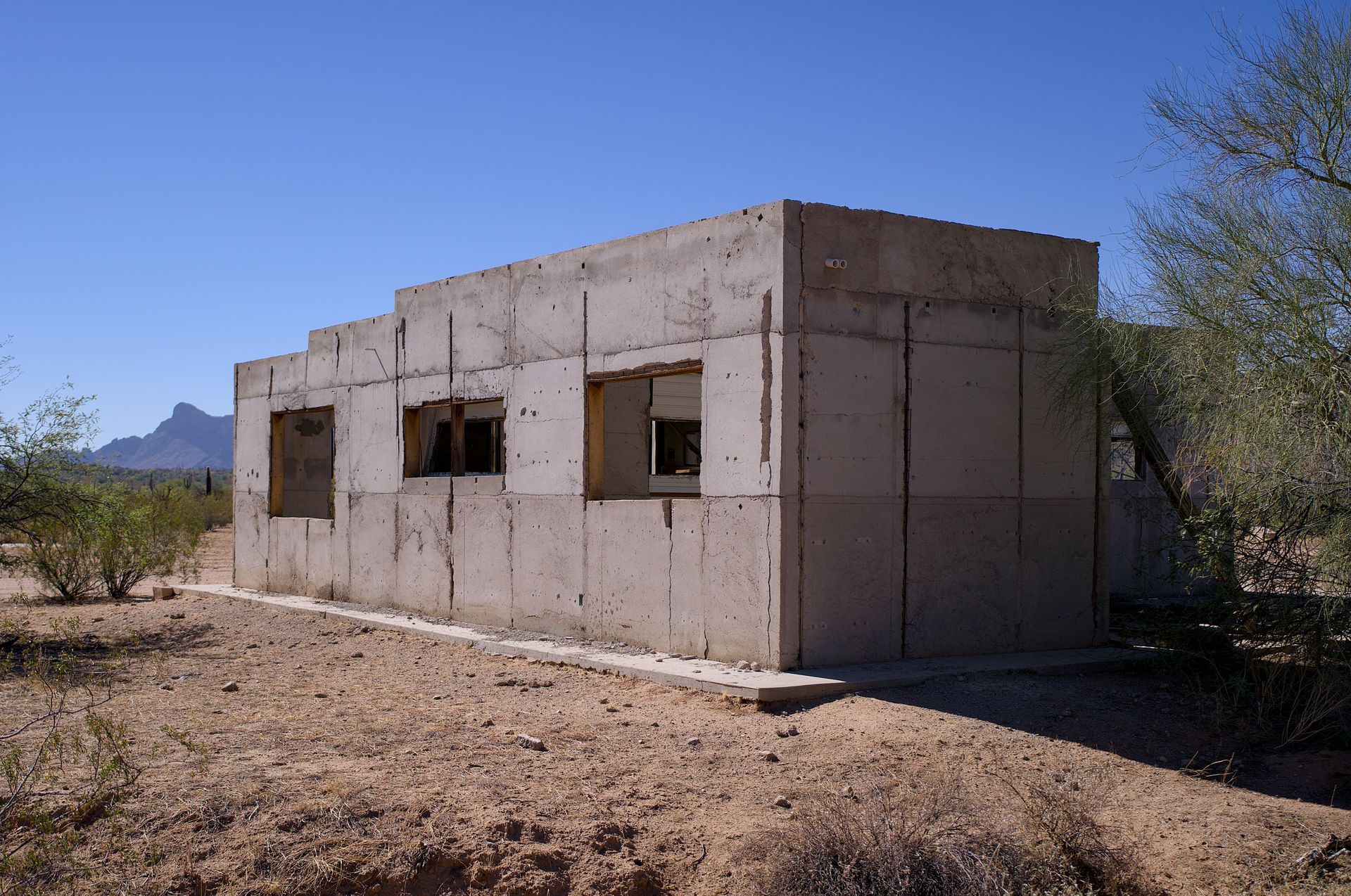
After poured walls cure and forms are removed, you see smooth concrete surfaces without honeycomb voids or aggregate pockets, walls standing plumb and straight without bulges from form failure, and joints between footing and wall that show proper bonding without separation cracks. Waterproofing applied to exterior surfaces protects against moisture intrusion, and backfilling proceeds carefully to avoid damaging walls before first-floor framing adds lateral bracing.
Dog Creek Excavating LLC coordinates poured wall construction with excavation and site preparation services, managing scheduling so foundation work progresses without delays between phases. Wall thickness, reinforcement patterns, and concrete strength specifications vary based on building height, soil conditions, and loads the foundation must support—residential basement walls typically use different specifications than commercial foundations supporting multi-story structures or heavy equipment.
Questions Before Starting Your Project
Property owners planning foundation work in Central Kentucky often ask about construction sequences, material choices, and factors affecting foundation performance before excavation begins.
What determines foundation wall thickness and reinforcement requirements?
Wall thickness depends on height, backfill depth, and loads from the structure above, with residential basement walls commonly eight to ten inches thick and commercial walls sometimes exceeding twelve inches, while reinforcement patterns follow engineering calculations based on soil pressure and building weight.
How does timing between excavation and concrete placement affect foundation quality?
Excavated foundation trenches should receive concrete within days rather than weeks to prevent soil disturbance from rain or freeze-thaw cycles, as extended delays allow trench walls to slough or water to accumulate, requiring rework before forming can begin.
What makes poured concrete walls perform better than alternative foundation methods?
Poured walls create continuous, monolithic structures without mortar joints that can crack or leak, distribute loads uniformly across footings, and allow placement of reinforcement steel exactly where structural analysis indicates it's needed, though construction requires more coordination than alternative methods.
When do weather conditions prevent concrete placement for foundation walls?
Concrete shouldn't be placed when temperatures will drop below freezing within 24 hours unless cold-weather protection like heated enclosures or insulating blankets are used, and heavy rain during placement washes cement from the surface and weakens the concrete, so scheduling accounts for weather forecasts during the curing period.
What site conditions in Cub Run most commonly affect poured wall construction?
High water tables require dewatering during excavation and concrete placement to prevent hydrostatic pressure from floating fresh footings, while expansive clay soils need drainage systems that prevent moisture changes from creating pressure against finished walls.
Dog Creek Excavating LLC provides poured concrete wall construction throughout Central Kentucky, managing excavation, forming, and concrete placement with quality workmanship from start to finish. Request a free estimate to review foundation specifications and project coordination for your construction needs.