
Construction Sites Ready When Builders Arrive
Site Preparation in Cub Run for properties requiring clearing, excavation, grading, and utility access before construction begins
A stable foundation for any building project starts with methodical site preparation that addresses subsurface conditions, drainage paths, and utility corridors before the first footing gets poured. Dog Creek Excavating LLC coordinates clearing vegetation and debris, excavating to required depths, grading for proper drainage, and preparing utility trenches across residential and commercial projects in Cub Run. Efficient scheduling keeps site work aligned with construction timelines, preventing delays that cascade through later phases.
Complete site preparation involves clearing organic material and root systems that would decompose under structures, excavating soil to specified depths for foundations or basement floors, grading to establish drainage slopes, and trenching for water lines, septic systems, or electrical conduits. Each phase builds on the previous work, with compaction testing occurring between steps to verify that soil meets density requirements before construction crews begin framing.
Arrange an on-site consultation to review excavation depth, grading plans, and utility placement requirements for your building project.
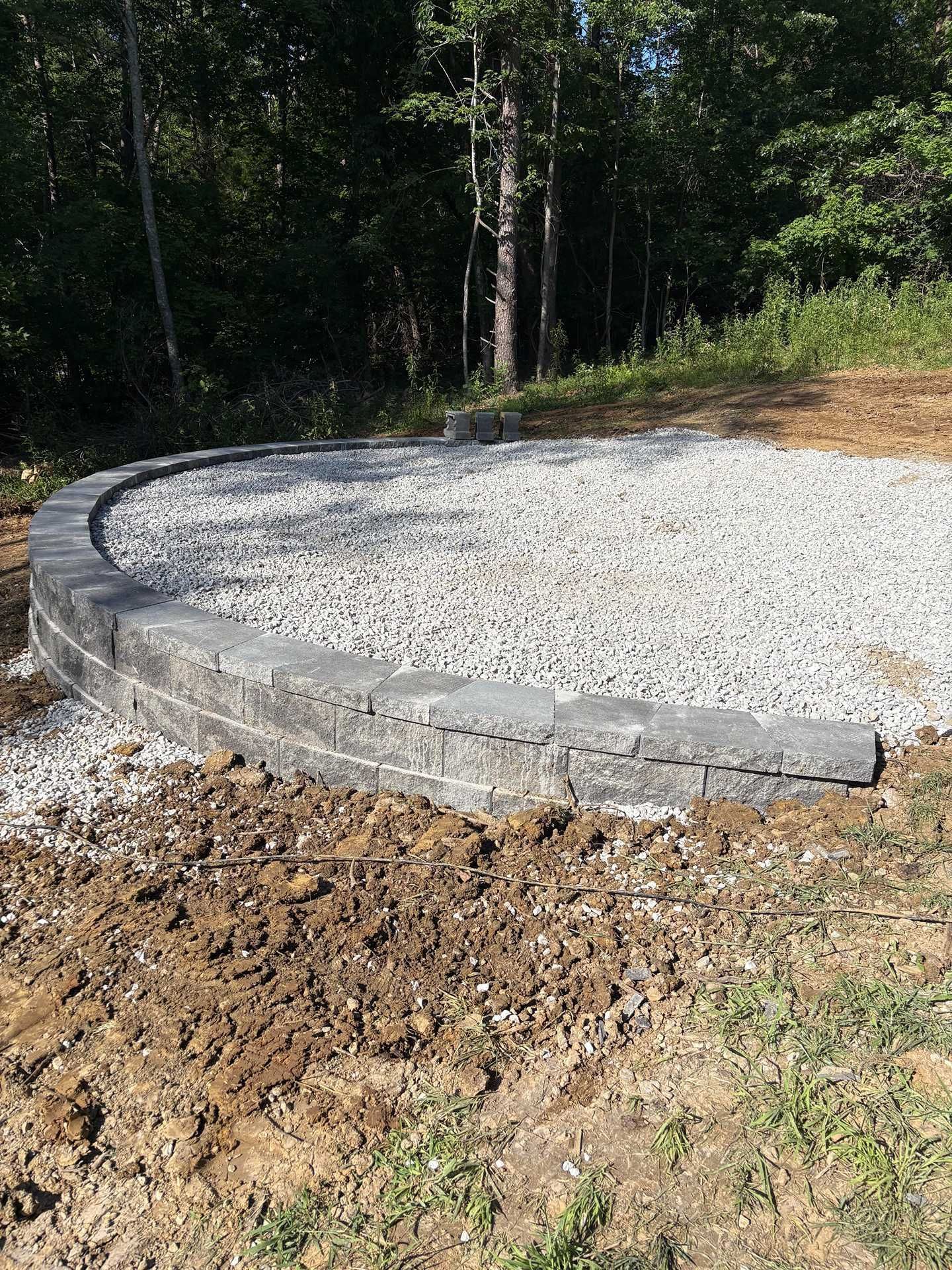
What Proper Site Preparation Requires
Site preparation begins with identifying underground utilities through locate services, then progresses through systematic clearing using machinery sized to site access constraints, excavation that removes unsuitable soil or creates level building zones, and finish grading that directs water away from construction areas. Utility preparation involves trenching to specified depths with slopes calculated for gravity-fed systems like septic lines, backfilling with select material rather than native soil in some cases, and verifying that connections align with planned building locations.
Dog Creek Excavating LLC sequences site work to match construction schedules, ensuring that excavated areas remain stable through weather delays and that utility trenches stay accessible for inspection before backfilling. Once preparation finishes, builders arrive to find cleared work zones with stable soil, established grade elevations matching foundation plans, and utility stub-outs positioned accurately for connection.
Site preparation timing varies based on soil conditions and weather—dry ground allows faster excavation and compaction, while wet conditions require dewatering or scheduling adjustments to prevent equipment from rutting prepared surfaces. Some projects include soil stabilization steps like lime treatment for clay-heavy ground or geotextile fabric installation in areas with poor bearing capacity.
Answers to Frequent Service Questions
Property owners preparing to build across Central Kentucky typically ask similar questions about sequencing, timing, and coordination between site work and construction phases.
What gets removed during the clearing phase of site preparation?
Clearing removes trees, brush, stumps, root systems, topsoil containing organic material, and existing debris or structures, with root systems excavated deep enough that decomposition won't create voids under foundations, and topsoil often stockpiled separately for later use in landscaping areas.
How does site preparation differ for properties with basements versus slab foundations?
Basement sites require excavation to depths of eight feet or more with careful attention to sidewall stability and dewatering during wet conditions, while slab foundations need shallow excavation focused on removing organic material and establishing uniform bearing capacity across the footprint.
When should utility trenching happen relative to other site work?
Utility trenching typically occurs after rough grading establishes site elevations but before finish grading, allowing gravity-fed lines to follow designed slopes without later rework, though some utilities get installed after foundation walls are complete to prevent trench settling from affecting structural footings.
What determines how much soil gets removed versus redistributed on-site during preparation?
Soil removal depends on whether excavated material is suitable for reuse—unsuitable soil with high organic content or poor bearing capacity gets hauled off-site, while stable soil gets redistributed as fill in low areas or stockpiled for final grading after construction completes.
How do site preparation contractors coordinate with builders to avoid delays?
Coordination involves sharing construction timelines so excavation finishes before framing crews arrive, scheduling utility rough-ins when inspectors are available, and maintaining site access routes that don't interfere with material deliveries or equipment staging as construction progresses.
Dog Creek Excavating LLC provides complete site preparation throughout Central Kentucky, managing clearing, excavation, grading, and utility work with dependable scheduling that keeps construction projects moving forward. Request a free estimate to discuss site-specific preparation requirements and project timelines.